
Relocating to Japan is a dream for many professionals and expatriates. The country offers a blend of hyper-modern convenience, profound historical culture, and impeccable safety. However, for a newcomer, navigating the Japanese real estate market specifically sewa apartemen Tokyo (renting an apartment in Tokyo) or other major cities can induce severe sticker shock and cultural confusion.
Unlike Western rental markets where moving in simply requires the first month’s rent and a standard security deposit, renting in Japan is a highly structured, front-loaded financial commitment. It is deeply entrenched in historical customs and rigorous risk-mitigation strategies designed to protect the landlord. If you are renting in Japan as an expat, understanding the terminology and the legal framework is not just helpful; it is absolutely essential to avoid losing thousands of dollars.
This comprehensive guide breaks down the unique financial structure of Japanese rentals, detailing concepts like Shikikin Reikin, the critical difference between a standard and a fixed-term lease Japan, and why securing a guarantor company Japan is mandatory for almost every foreign tenant.
1. The Unique Initial Cost Structure (Up to 4-6 Months’ Rent)
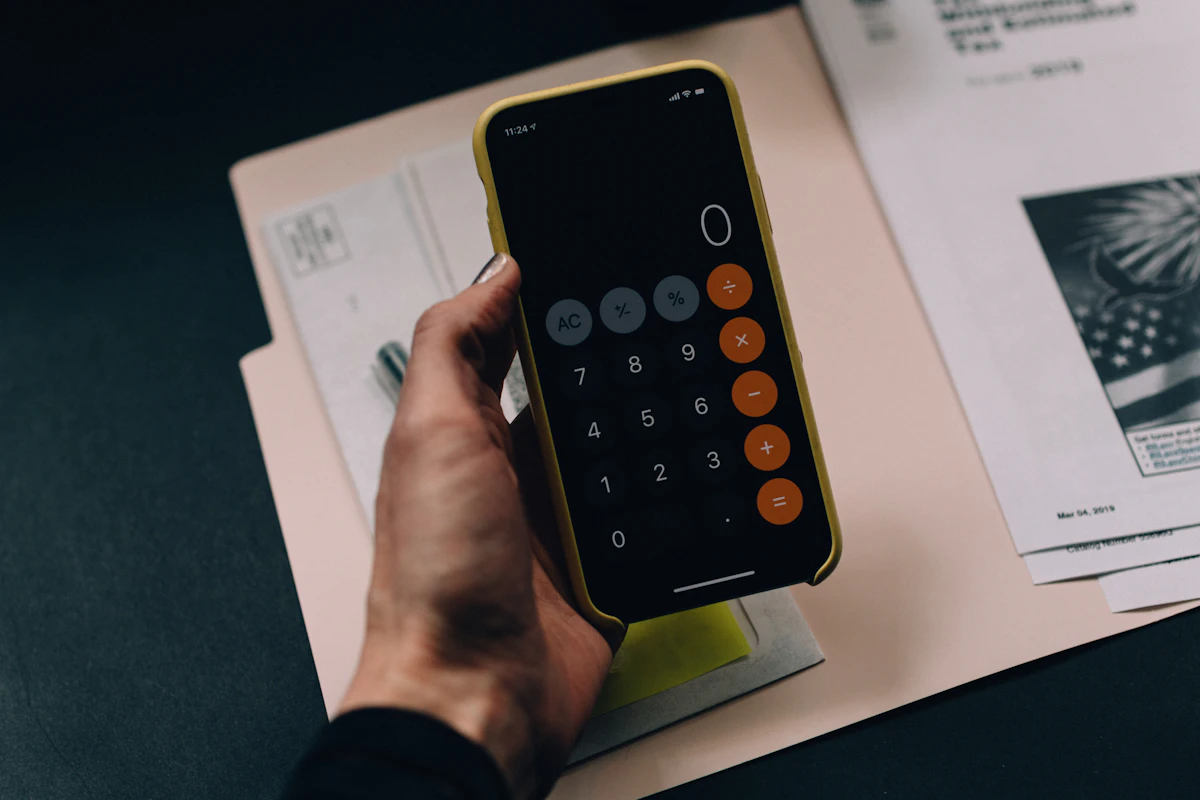
The most shocking aspect of the Japanese rental system for expatriates is the sheer amount of upfront cash required before you even receive the keys. While the monthly rent might seem reasonable compared to cities like New York or London, the initial move-in costs can easily amount to four to six times the monthly rent [1].
When you receive your initial invoice (the seikyusho) from the real estate agent (fudosanya), it will typically include the following breakdown:
- First Month’s Rent: Paid in advance.
- Shikikin (Security Deposit): Usually 1 to 2 months’ rent.
- Reikin (Key Money): Usually 1 to 2 months’ rent (Non-refundable).
- Chukai Tesuryo (Agency Fee): Typically 1 month’s rent + 10% consumption tax.
- Guarantor Company Fee: Usually 50% to 100% of one month’s rent.
- Fire Insurance (Kasai Hoken): Mandatory, typically ¥15,000 to ¥25,000 for two years.
- Lock Exchange Fee (Kagi Kokan Dai): To ensure the previous tenant cannot enter. Typically ¥15,000 to ¥30,000.
First Month Rent: ¥100,000
Shikikin (1 month): ¥100,000
Reikin (1 month): ¥100,000
Agency Fee: ¥110,000 (inc. tax)
Guarantor Fee (50%): ¥50,000
Insurance & Lock Fee: ¥35,000
Total Move-in Cost: ¥495,000 (Almost 5x the monthly rent)
It is vital to have this capital liquid and ready in your bank account before you begin apartment hunting, as the best apartments disappear from the market in a matter of days.
2. Shikikin: The Security Deposit and Cleaning Fees
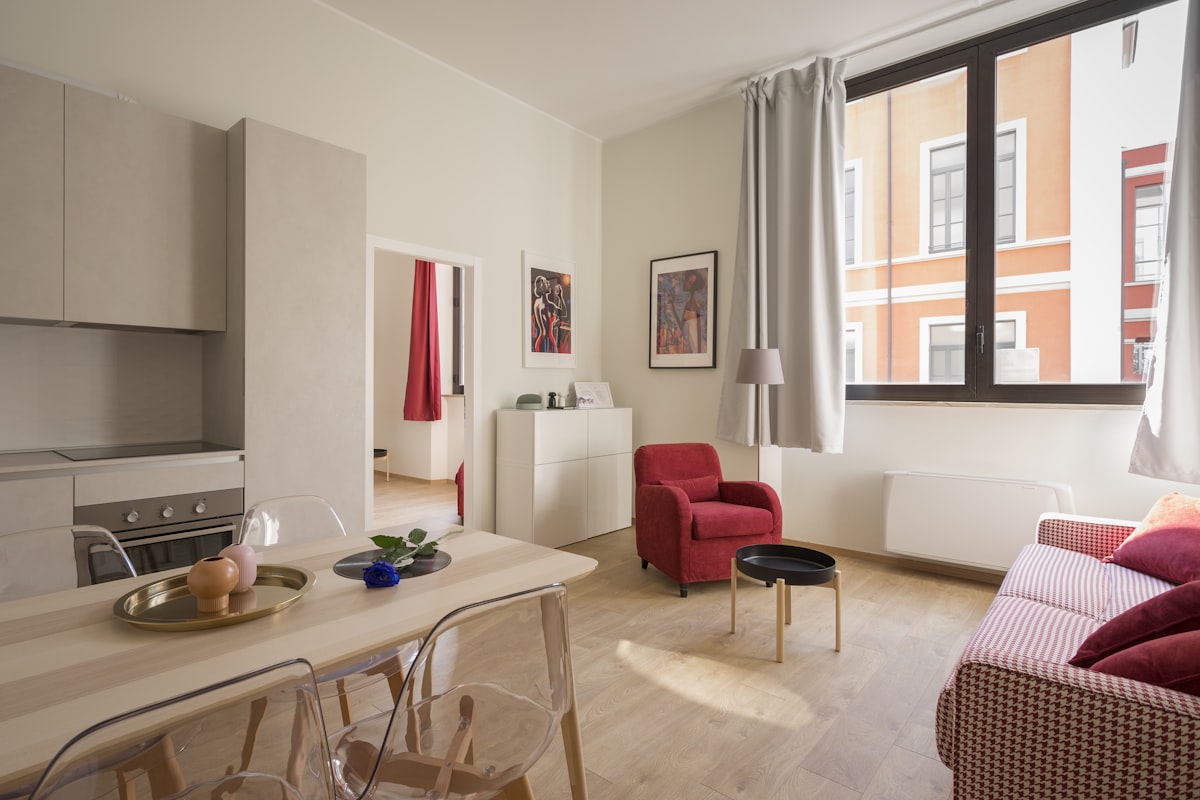
Shikikin is the Japanese term for a security deposit. Standardly set at one to two months’ rent, it serves the same purpose as security deposits worldwide: it protects the landlord in case you damage the property, default on rent, or leave the apartment in an unacceptable condition [2].
The Mandatory Cleaning Fee Deduction
In theory, Shikikin is refundable when you move out. In reality, you will rarely, if ever, get the full amount back. Japanese rental contracts almost universally include a mandatory cleaning fee (cleaning-dai) clause. Regardless of how spotless you leave the apartment, a professional cleaning company will be hired after you move out, and the cost (often between ¥30,000 and ¥60,000 depending on the size of the unit) will be deducted directly from your Shikikin.
Dispute Resolution and CAA Guidelines
Historically, landlords would keep the entire Shikikin for minor wear and tear (like wallpaper fading from sunlight). To protect tenants, the Consumer Affairs Agency (CAA) and the Ministry of Land, Infrastructure, Transport and Tourism (MLIT) established strict national guidelines regarding deposit returns [3].
Under these modern MLIT guidelines, landlords cannot charge tenants for “normal wear and tear” (tsujo no sonmo). You are only financially liable for intentional damage, negligence, or unauthorized modifications (such as smoking indoors, allowing pets to scratch floors, or punching holes in walls).
3. Reikin: The Cultural Quirk of “Key Money”

Of all the initial costs, Reikin (Key Money) is the one that causes the most frustration for expatriates. Translating literally to “gratitude money,” Reikin is a mandatory, non-refundable gift paid directly to the landlord simply for the privilege of allowing you to rent their property [1].
The Origins of Reikin
To understand Reikin, you must look at post-World War II Japan. Following the devastating bombings of Tokyo and other major cities, there was a severe housing shortage. Families who desperately needed shelter would offer landlords a cash “gift” to prioritize their application over others. Furthermore, it acted as a cultural gesture of respect, showing the landlord that the tenant was financially stable and polite.
Reikin in the Modern Market
While the severe housing shortage is over, the custom of Reikin has stubbornly persisted, effectively acting as an unearned bonus for landlords. It is typically equivalent to one or two months of rent.
Yes, but it limits your choices. In highly competitive areas (like central Tokyo wards: Minato, Shibuya, Shinjuku), desirable apartments will almost always demand Reikin. However, in suburbs or less popular older buildings, landlords are increasingly offering “Zero Reikin” or “Zero Shikikin/Reikin” properties to attract tenants in an aging population. Real estate agencies like UR Housing (Urban Renaissance) also famously do not charge Reikin, agency fees, or renewal fees, making them highly popular among expats.
4. Two Main Types of Lease Agreements in Japan

When signing your contract, you must pay close attention to the legal type of lease you are entering into. Japanese rental law is heavily skewed toward protecting the tenant, which has led to two distinct types of contracts being utilized by landlords to manage their assets [4].
1. Futsu Shakaya Keiyaku (Standard Lease Contract)
This is the most common type of lease, typically lasting for two years. Under a standard contract, the tenant has exceptionally strong rights. When the two-year term expires, the tenant has the automatic right to renew the lease (usually by paying a “renewal fee” equivalent to one month’s rent).
Crucially, a landlord cannot refuse a renewal or evict the tenant without “just cause” (Seito Jiyu). In Japanese courts, “just cause” is incredibly difficult for a landlord to prove. Wanting to sell the apartment or wanting to raise the rent significantly is usually not considered just cause. Therefore, once you secure a Futsu lease, you can theoretically stay there indefinitely as long as you pay your rent.
2. Teiki Shakaya Keiyaku (Fixed-Term Lease Contract)
Due to the difficulty of evicting tenants under standard leases, many landlords especially property investors and expatriate owners prefer the Fixed-Term Lease (Teiki Shakaya).
Under this contract, the lease ends on a specific, non-negotiable date. There is absolutely no automatic right of renewal. When the end date arrives, the tenant must vacate the premises. If both parties agree, they can sign an entirely new contract, but the landlord is under no obligation to offer one.
Why this matters for Expats: If you are only stationed in Tokyo for a two-year assignment, a fixed-term lease is perfectly fine (and they sometimes have slightly cheaper rent or no Reikin). But if you plan to stay in Japan long-term, signing a Teiki lease introduces the risk that you will be forced to move and pay all those massive initial move-in costs again after just a couple of years.
5. The Mandatory Requirement of a Hoshonin (Guarantor)

In many countries, showing a high salary and a good credit score is enough to secure an apartment. In Japan, almost every landlord requires a Hoshonin (Guarantor). This is a person who takes full, legal financial responsibility for your debts if you fail to pay rent, damage the property, or suddenly flee the country.
The Traditional Guarantor
Historically, a guarantor had to be a Japanese citizen, residing in Japan, with a steady, high-income job (usually a parent or close relative of the tenant). For an expatriate arriving alone, providing a Japanese relative is impossible. In the past, expats would ask their Japanese employer or university to act as their guarantor, but many companies no longer offer this service due to the financial liability.
The Rise of the Guarantor Company (Hoshogaisha)
To solve this bottleneck, the real estate industry created the Guarantor Company Japan system. Instead of finding a human guarantor, you pay an institutional financial company to guarantee your lease [5].
Here is how it works for expats:
- The Fee: You pay the guarantor company an initial fee (usually 50% to 100% of one month’s rent). You also pay a smaller annual renewal fee (around ¥10,000 to ¥20,000).
- The Screening Process: The guarantor company will conduct a strict background check. They will call your employer to verify your salary and employment status. They will also require an emergency contact (usually a Japanese speaker).
- The Assurance: If you miss a rent payment, the guarantor company immediately pays the landlord on your behalf. They will then employ strict debt collection methods to recover the money from you.
Even if you are wealthy, landlords prefer guarantor companies over human guarantors because institutional companies never default. Today, utilizing a guarantor company is mandatory for an estimated 80% to 90% of all rental contracts in Japan, regardless of whether the tenant is Japanese or foreign.
Frequently Asked Questions (FAQs)
Is it difficult for foreigners to rent in Japan? (The “Gaijin Block”)
Yes, it can be. It is not uncommon for a real estate agent to call a landlord, mention the applicant is a foreigner, and be immediately rejected. This is colloquially known as the “Gaijin Block.” Landlords often fear language barriers, cultural misunderstandings regarding garbage sorting and noise, or the fear that a foreigner might abruptly leave the country without paying rent. Using a reputable agency that specializes in expat housing and having a solid Guarantor Company significantly mitigates this issue.
Do I need a Japanese bank account to rent?
In almost all cases, yes. Rent in Japan is traditionally paid via direct debit (koza furikae) or monthly bank transfer (furikomi) from a domestic Japanese bank account. Credit cards are slowly becoming accepted by modern property management companies, but a domestic bank account remains the standard requirement.
What is a Renewal Fee (Koshin-ryo)?
If you are on a Standard Lease (Futsu Shakaya), the contract usually lasts for two years. If you choose to renew it and stay, it is standard practice in areas like Tokyo and Kyoto to pay a Koshin-ryo (Renewal Fee) to the landlord. This is usually equal to one month’s rent, plus a smaller administrative fee to the real estate agency handling the renewal paperwork.
Can I terminate my lease early?
Yes, but you must provide advance notice. The standard notice period (kaiyaku yokoku) is usually one or two months in advance. If you leave without giving proper notice, you must pay the equivalent rent for the notice period. Some contracts also include a penalty clause (usually 1 month’s rent) if you break the lease within the very first year.
Conclusion
Securing an apartment in Japan requires a significant upfront investment and a deep understanding of unique cultural and legal systems. The concepts of Shikikin (deposits that are slowly eroded by cleaning fees) and Reikin (non-refundable key money) can frustrate expatriates, but they are deeply ingrained realities of the market.
By understanding whether you are signing a standard or a fixed-term lease Japan, and by budgeting properly for the mandatory fees associated with a guarantor company, you can approach the Japanese real estate market with confidence. Always utilize the services of an expat-friendly real estate agency who can clearly explain the MLIT guidelines and ensure your tenancy contract is fair, setting you up for a successful and comfortable life in Japan.